A sefer, not a person
Tomer Devorah — "The Palm Tree of Devorah" — is one of the treasured works of the Jewish mussar tradition, and this collection is a study of that sefer rather than the shiurim of a modern individual. It was written by Rav Moshe Cordovero zt"l, the Ramak, one of the great kabbalists of Tzfas in the sixteenth century. Recognizing it as a classic sefer, not a contemporary speaker, is essential to approaching it correctly.
The Ramak was a towering figure in the world of Jewish mysticism, yet Tomer Devorah is famously accessible. It is short, and its aim is intensely practical: to translate lofty ideas about the Divine into concrete instructions for how a person should behave. That combination — a great mekubal writing a slim, usable guide to character — is part of why the sefer has been so beloved across the centuries.

Imitating the thirteen attributes
The heart of Tomer Devorah is the mitzvah of "v'halachta bidrachav" — to walk in Hashem's ways, to imitate His conduct. The Ramak takes the thirteen attributes of mercy, drawn from the words of the prophet Micah, and turns each one into a lesson in middos. If Hashem is patient with those who wrong Him, a person must learn patience; if He continues to sustain even those who rebel, a person must not withhold kindness from those who have hurt him.
In this way the sefer converts theology into character work. Each attribute becomes a specific, demanding standard for how to treat others — how to bear insult, how to forgive, how to keep giving. It is mussar of a high order precisely because it grounds the refinement of one's traits not in self-improvement for its own sake, but in the aspiration to reflect, in one's own conduct, the ways of Hashem Himself.
Learning it for growth
Because its lessons are so concrete, Tomer Devorah rewards slow, honest study. Each attribute invites a person to examine their own reactions — to insult, to being wronged, to the failings of others — and to measure them against a very high bar. A study series on the sefer helps a learner sit with each chapter long enough for it to become more than an idea, and to begin the actual work it describes.
For a family, the sefer's themes translate directly into the texture of a home. Patience, forgiveness, and steady kindness are learned less from lectures than from example, and Tomer Devorah gives parents a framework and a vocabulary for that work. Studied over time, it offers not a quick inspiration but a lasting discipline — a Torah path for shaping the kind of person, and the kind of household, one hopes to become.
Finding kosher Torah video for your family
Lehallel is a kosher video service built for Jewish families — every single video is approved against one written standard before it can appear, with no open feed, no comments, and no surprises. It is a calm, safe place to look for the Torah and Jewish music you love.
If your family enjoys the mussar of the sefer Tomer Devorah, search Lehallel for the speakers and topics that matter most to you. With a daf yomi shelf, a weekly parsha shelf, topic shelves, audio-only listening for the car, and a kids mode with a PIN, kosher Jewish video is easy to reach — and the approved catalog keeps growing every day.
Watch on Lehallel
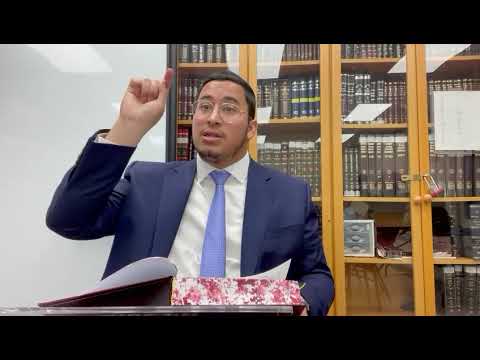
Real, approved videos from Rabbi Tomer Zino — tap any card and it plays filtered, with nothing unapproved around it.


At a glance
Key takeaways
- Tomer Devorah is a classic mussar sefer by Rav Moshe Cordovero zt"l — the Ramak — not a modern speaker.
- It is built on "v'halachta bidrachav," the mitzvah to imitate Hashem's ways.
- The Ramak turns each of the thirteen attributes of mercy into a concrete lesson in middos.
- Short and practical, it rewards slow study and real work on one's character.
- Search Lehallel for kosher, approved Torah video — the catalog grows every day.
Watch this now
Don’t just read about it — watch it
Every video is reviewed against one written standard before it can play.