Classes rooted in tefillah
Several of Rebbetzin Dinah Fink's most-noted classes center on tefillah. Sessions such as Why Daven and Taking Tefillah to the Next Level take up the questions many people carry but rarely voice — why we pray at all, and how davening can move from routine to something felt. Rather than treating prayer as a fixed text to get through, these classes ask what tefillah is meant to do and how a person can bring more of themselves to it.
That focus suits a women's Torah teacher whose audience often juggles tefillah amid a full day. Approaching davening as a skill that can grow, rather than a duty that is simply discharged, gives a listener something practical to work on. The recorded classes let that message be revisited — a talk on tefillah is one a person may want to hear again during a stretch when davening feels dry.

Elul and the work of change
The catalog includes a pair of Elul classes — Is Change Possible and Am I Doing It Right — that meet the season head-on. Elul, the month leading to Rosh Hashanah, is traditionally a time of self-examination and teshuvah, and these titles name the honest doubts that come with it: whether a person really can change, and whether they are going about it the right way. Rebbetzin Fink's classes take those doubts seriously rather than brushing past them.
Handled well, Elul material can steady a listener who feels the pressure of the season without a clear way forward. By framing change as a real but gradual undertaking, these classes offer a path between despair and empty resolutions. Recorded, they become a resource to return to each year as the Yamim Noraim approach and the same questions come around again, ready to be worked through anew.
Machshavah and the year's seasons
Beyond tefillah and teshuvah, the catalog is tagged with philosophy, Shabbos, and Rosh Chodesh, and includes sessions drawn from classic works of Jewish thought — a class marked Gate 1 points to a sefer structured in she'arim, the gated works of mussar and machshavah. Teaching from such texts lets a listener follow a developed line of thought rather than a loose collection of ideas, building understanding gate by gate.
The Shabbos and Rosh Chodesh classes track the rhythm of the Jewish month and week, giving the calendar's quieter markers their due. Rosh Chodesh in particular has long been associated with women, and classes tied to it speak to that connection. Across these topics, Rebbetzin Fink's recorded shiurim offer women a steady companion through the year's cycle of tefillah, teshuvah, and machshavah.
Finding kosher Torah video for your family
Lehallel is a kosher video service built for Jewish families — every single video is approved against one written standard before it can appear, with no open feed, no comments, and no surprises. It is a calm, safe place to look for the Torah and Jewish music you love.
If your family enjoys teachers like Rebbetzin Dinah Fink, search Lehallel for the speakers and topics that matter most to you. With a daf yomi shelf, a weekly parsha shelf, topic shelves, audio-only listening for the car, and a kids mode with a PIN, kosher Jewish video is easy to reach — and the approved catalog keeps growing every day.
Watch on Lehallel
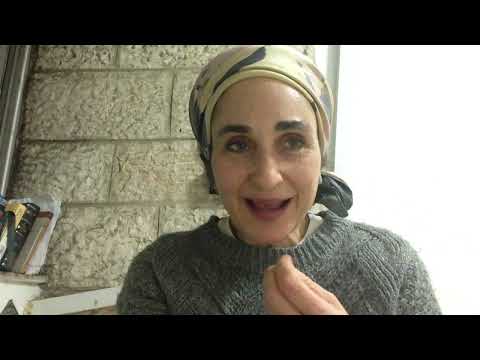
Real, approved videos from Rebbetzin Elana Mizrahi — tap any card and it plays filtered, with nothing unapproved around it.


At a glance
Key takeaways
- Rebbetzin Dinah Fink teaches women's classes centered on tefillah, including Why Daven and Taking Tefillah to the Next Level.
- Her Elul sessions confront the season's real questions about whether and how a person can change.
- She teaches from classic gated works of Jewish thought, building ideas step by step.
- Classes on Shabbos and Rosh Chodesh follow the rhythm of the Jewish calendar.
- Search Lehallel for kosher, approved Torah video — the catalog grows every day.
Watch this now
Don’t just read about it — watch it
Every video is reviewed against one written standard before it can play.