Hebrew shiurim on the weekly parsha
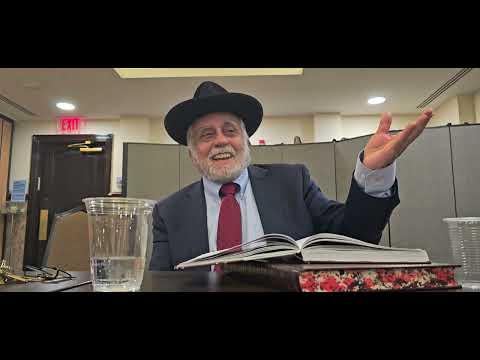
Rav Meir Eliyahu teaches in Hebrew, and the weekly parsha is the steady frame of his recordings. Titles run through the Torah reading in order — Toldos, Vayeitzei, Vayishlach, Vayeishev — each tied to a year and often to a specific setting. For a Hebrew-speaking family, this offers a consistent, week-by-week companion to the parsha, delivered in the language of the original texts and rooted in the Sephardic tradition his settings reflect.
The recurring venue named in the titles, Mishkan Yehuda, together with references to communities such as Musiof, places this teaching within a particular Sephardic world in Israel. That context matters: it signals a style of derush and a set of sources that may differ from what an Ashkenazi or English-speaking listener is used to. The collection is best approached as an authentic window into that community's way of learning the parsha.
The deeper layers
Beyond the parsha, the recordings reach toward the more mystical side of Torah. A multi-part series on gilgul neshamos — the transmigration of souls — signals a willingness to teach Kabbalistic and hidden dimensions that many maggidei shiur leave aside. Material of this kind is traditionally handled with care and often assumes a listener already grounded in the basics, which suggests an audience looking for depth rather than an introduction.
This deeper register fits naturally with the collection's attention to teshuva and to the seasons of the Jewish year, including Rosh Chodesh. In many Sephardic communities, the work of return and the awareness of the soul's journey are closely linked, and a teacher who moves between the parsha and gilgulim is drawing on a long tradition of reading the surface text for its inner meaning. The result is a body of shiurim that treats the Torah as layered rather than flat.
Who the collection is for
These recordings will speak most directly to Hebrew-speaking listeners, and especially to those at home in Sephardic custom. For such a family, the value is real: a teacher working in their language and idiom, following the parsha through the year and reaching into topics that reward serious attention. The consistency of the weekly format makes it easy to follow along in step with the Torah reading in shul.
For listeners who do not have Hebrew, the material will be harder to access, and it is honest to say so plainly rather than to oversell it. What the collection offers is depth within a specific tradition, not a broad, translated introduction. Approached on those terms — as an authentic Sephardic shiur in its own language, ranging from the weekly parsha to the soul's deeper journeys — it is a substantial resource for the right audience.
Finding kosher Torah video for your family
Lehallel is a kosher video service built for Jewish families — every single video is approved against one written standard before it can appear, with no open feed, no comments, and no surprises. It is a calm, safe place to look for the Torah and Jewish music you love.
If your family enjoys teachers like Rav Meir Eliyahu, search Lehallel for the speakers and topics that matter most to you. With a daf yomi shelf, a weekly parsha shelf, topic shelves, audio-only listening for the car, and a kids mode with a PIN, kosher Jewish video is easy to reach — and the approved catalog keeps growing every day.
Watch on Lehallel
Real, approved videos from Rabbi Eliyahu Ben-Haim — tap any card and it plays filtered, with nothing unapproved around it.


At a glance
Key takeaways
- Rav Meir Eliyahu teaches in Hebrew, following the weekly parsha in order within a Sephardic tradition.
- Many recordings name the setting Mishkan Yehuda, placing the shiurim in a specific Israeli community context.
- A multi-part series on gilgul neshamos shows a reach into Kabbalistic and hidden dimensions of Torah.
- The collection also turns to teshuva and Rosh Chodesh, reading the surface text for its inner meaning.
- Search Lehallel for kosher, approved Torah video — the catalog grows every day.
Watch this now
Don’t just read about it — watch it
Every video is reviewed against one written standard before it can play.